

How to Support a Loved One Struggling with Addiction
2025-07-09
What Happens In The First Year After You Stop Drinking?
2025-11-23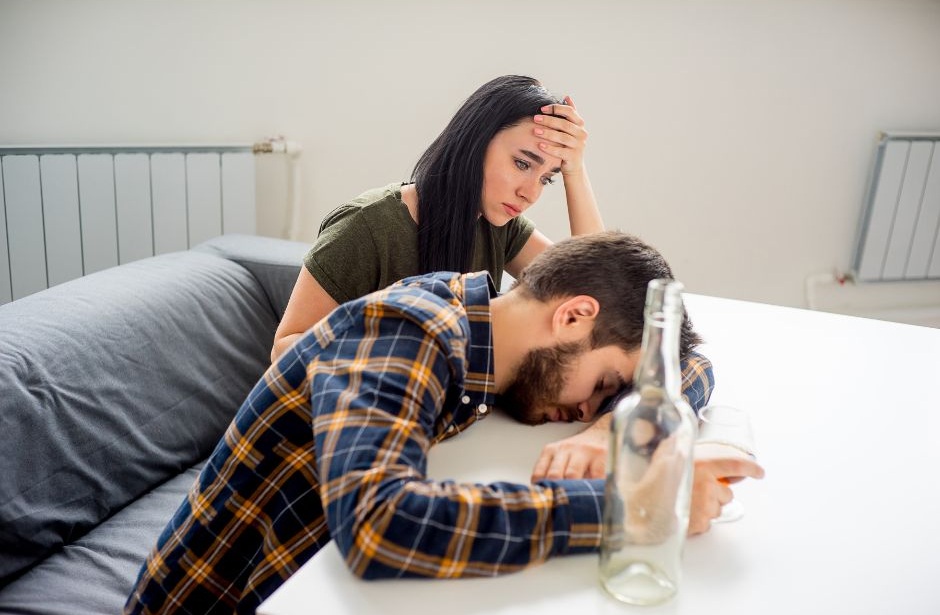
Is your family member experiencing addiction? It is a disease that can be damaging in so many ways and is connected with mental health challenges. At least 20% of those with a mental health difficulty also have a substance use disorder, and the co-occurrence of poor psychological well-being and drugs is well noted.
It’s also clear that addiction can impact family relationships. It can lead to conflict and dysfunction between family members, and navigating these challenges is far from easy. How else can addiction cause such issues, and why should your loved one seek professional help? In our article, we’ll share everything you need to know about the impact of addiction on mental health and relationships – plus, we will explain why professional help is essential.
Causes of Addiction: When and How Does Addiction Develop?
Research points to the fact that addiction goes beyond an individual’s choice or lifestyle. It is, in fact, a disease, which is thought to be caused by improper brain processes impacting on the way individuals experience pleasure.
The stages of addiction include initial use, misuse, tolerance to the substance, dependence, and addiction. These phases happen in the following ways:
Initial use – Initial drug use may happen for various reasons, such as obtaining prescription medications, trying alcohol for the first time, or experiencing peer pressure to try illicit drugs. Risk factors such as substance misuse in family history may impact the likelihood of developing addiction.
Misuse – Misuse of substances means using them on a frequent basis. The World Health Organization (WHO) states that misuse involves using substances in high doses of the drug frequently.
Tolerance – when an individual uses the substance for a long period of time, the brain may alter and begin to tolerate the drug. This means that he/she doesn’t receive the same physical or psychological effects as when taking the original dosage.
Dependence – Following the tolerance phase, the body and brain require the substance to help them function in a normal way. This phase is known as dependence, and an individual might experience anhedonia – the inability to experience pleasure or feel good – without taking the drug.
Addiction – If there is a chronic need to use more of the substance and an inability to stop using it, this is called addiction. It can cause the individual to have a craving for the substance and withdrawal symptoms when they stop taking it. It may also cause them to stop taking part in their preferred activities and consequently lead to relationship problems.
Addiction and Mental Health
There is a clear link between addiction and mental health disorders. First, mental health disorders can be the trigger for substance abuse. For instance, substance abuse can take the form of self-medication to treat certain mental health disorders, such as depression and anxiety, but eventually lead to a cycle involving initial symptoms masking to the worsening of the underlying psychological condition.
On the other hand, substance use affects brain chemistry, thus increasing the likelihood of developing mental health disorders. Alcohol abuse, for instance, can make depression and anxiety worse; while other types of drugs, such as cannabis, cocaine, LSD or amphetamines, can increase the risk of developing schizophrenia.
Addiction and Relationship Challenges
Addiction caused dishonesty, lack of trust, broken communication, and stress may certainly affect relationships and affections amount loved ones in a family. What’s more, emotional and psychological burden when supporting an individual with addiction and mental health disorders can lead to strained relationships.
As a caregiver, you need to navigate the fine line between co-dependency, enabling behaviors, and supporting your loved one on their road to recovery. You may experience feelings of guilt for providing the sufferer with money for substances, allowing your loved one to stay with you instead of attending rehabilitation.
Knowing the Signs of Addiction
To help your loved one, the first thing is to look for the signs of addiction. This involves looking for a few specific factors that we have listed below:
Behavioural Warning Signs – If you note that your loved one is being secretive about what they do and where they go in their free time, this could indicate that they are trying to hide a substance abuse problem. If they are also neglecting their responsibilities, such as failing to attend academic classes, complete work duties, or disregarding chores, this might indicate an addiction issue.
Emotional Warning Signs – When an individual has significant mood swings, withdraws from social activities, or experiences anxiety, these are a few emotional warning signs that they may be suffering from addiction. Anxiety and mood swings can happen as a result of withdrawal or addiction-related stress.
Physical Warning Signs – And if your loved one experiences sudden weight changes or unexplained wounds, these could be signs of substance abuse. Weight changes could be caused by appetite-suppressing stimulants, and wounds can be the result of intravenous drug use. Other physical signs include negligence of appearance and changes in sleep patterns.
We advise that addiction can stay ‘hidden’ because it manifests similarly to stress by causing similar symptoms such as changes in mood and sleeping patterns. It’s when substance abuse becomes out of control and causes harm to your loved ones that professional help is needed.
The Path to Healing
When seeking professional help, a few solutions are available. These include medical treatments, rehabilitation, support groups, and other innovative therapeutic treatments such as the evidence based soft laser auricular therapy treatments for addiction .
Soft laser therapy to stop addictions is based on acupuncture theory but use low level laser instead of needles. It acts on acupoints on the outer ear, penetrating the skin and stimulating nerve endings in the nervous system. The treatment regulates the neuro-endocrine system and restores the normal function of the reward pathway to help the recovery of addiction. These groundbreaking treatment programs include Stop Hard Drugs™ for opioid or cocaine addictions, Stop Soft Drugs™ for marijuana and hashish addictions, Stop Alcohol™ for alcohol use disorder, and Stop Tobacco™ for tobacco use.
Counselling, life coaching, and soft laser therapy consist of a treatment plan that can help your loved one recover from addiction and rebuild relationships. Not only can it ensure you and your loved one understand addictions, but it can also help your loved one to regain the capability to rebuild damaged relationships.
Alongside treatment, self-care and right support can help with mental health recovery. For instance, by practicing mindful meditation, your loved one can improve emotion regulation; While your loved ones prioritize their physical health and focus on personal growth, you empower them on their road to recovery by offering encouragements and supports to let them solve problems independently.
Help Your Loved One Overcome Addiction with Stop Centres
It’s with the right support system, the right resources and open dialogues about mental health that your loved one can overcome addiction. If you have noticed that an individual in your life is experiencing addiction, remember that helplines such as Narcotics Anonymous 1-855-562-2262 and Drug Rehab Services 1-877-254-3348 are there for you.
If you are looking for innovative treatments to help your loved one, Stop Centres is one organization that can help. We suggest reaching out to ensure your family member has the best support to focus on their recovery. Contact Stop Centres at one of our four convenient locations. Find out how laser therapy can improve your loved one’s mental health and their relationships.

